For centuries, a simple, unassuming fabric has been a silent workhorse in kitchens, dairies, and craft rooms around the world. That fabric is cheesecloth. Far more than just a tool for cheesemaking, this versatile material is a multi-purpose hero for anyone who cooks, bakes, juices, or enjoys DIY projects. Whether you're straining homemade yogurt, clarifying butter, or creating a spooky Halloween decoration, understanding the different types of cheesecloth is key to getting the best results.
What is Cheesecloth and Why Does Grade Matter?
At its core, cheesecloth is a lightweight, gauzy cotton fabric with an open weave. Its utility comes from this weave, which allows liquids to pass through while trapping solids. However, not all cheesecloths are created equal. They are classified by "grade," which refers to the number of threads per inch. The higher the grade, the tighter and finer the weave.
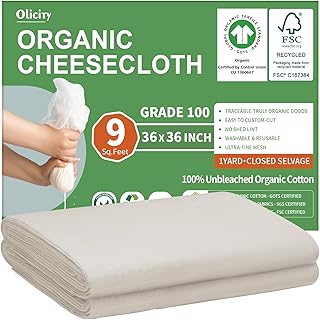
Grade 100 cheesecloth, often called "butter muslin," is the finest and most dense. It's the gold standard for tasks requiring an ultra-fine filter, such as making soft cheeses like ricotta or paneer, straining fine particles from broths, or clarifying butter to crystal clarity. Products like the Cotton Farm Grade 100 XL Cheese Cloth exemplify this category with its ultra-dense weave and hemmed edges for durability.
Endless Uses in the Kitchen and Beyond
The applications for cheesecloth are remarkably diverse. In the kitchen, it's indispensable for food straining. Use it to drain yogurt, make nut milks, strain stocks and soups for a silky texture, or bundle herbs into a bouquet garni. When cooking turkey, a cheesecloth soaked in butter draped over the breast keeps the meat incredibly moist. For home cheese making, it's the primary tool for separating curds from whey.
Beyond culinary uses, cheesecloth is a favorite in DIY crafts. Its ethereal quality makes it perfect for ghost decorations, costume creation, faux cobwebs, or as a base for fabric dyeing and painting. Its breathability also makes it excellent for wrapping and curing meats or covering fermenting jars.
Choosing the Right Cheesecloth: Key Features
When selecting a cheesecloth, consider these features:
Material: Always opt for 100% unbleached cotton. Unbleached fabric, like that found in the Organic Cheese Cloths, GOTS Certified, ensures no chemical residues touch your food. For some users, bleached cheesecloth offers a brighter appearance, as seen with GoodCook Everyday 100% Cotton Cheesecloth.
Edges: Look for hemmed or finished edges. This prevents fraying and makes the cloth much more reusable. A product like the 12Pcs Reusable Cheese Cloths with four hemmed edges is built to last through many washes.
Size & Pack: Consider your needs. Larger pieces (36"x36") are great for big batches or crafts, while precut packs like the 6-Pack Beige Cheesecloth or the Mostdream Cheese Cloths 10Pcs offer convenience for everyday kitchen tasks.
Caring for Your Reusable Cheesecloth
One of the greatest benefits of modern cheesecloth is its reusability. To care for it, simply rinse under cold water immediately after use to remove food particles. Then, wash in warm water with a mild detergent. Avoid fabric softeners, as they can clog the weave. Air dry or tumble dry on low. With proper care, a high-quality cloth like the High-Grade 100 Cheesecloth 6-Pack can be used dozens of times, making it an economical and eco-friendly choice.
From the dedicated home cheesemaker to the weekend chef and creative crafter, having the right cheesecloth on hand opens up a world of possibilities. By understanding grades, materials, and features, you can select the perfect fabric for your project, ensuring professional results every time. For a deeper dive into all things cheesecloth, check out our comprehensive Cheesecloth Guide: Uses, Types & How to Choose.